You Can Literally Change Your Mind: A Practical Guide to Neuroplasticity
Have you ever felt “stuck”? Trapped by a bad habit, a negative thought pattern, or a skill you just can’t seem to master? For centuries, we were led to believe that this feeling was a permanent reality. The prevailing scientific view was that the brain you had as an adult was the brain you were stuck with for life—a fixed, unchangeable machine. But over the past few decades, a revolutionary discovery has shattered that myth and handed us the keys to our own mental evolution. This groundbreaking concept is called neuroplasticity. Understanding what is neuroplasticity is the first step toward realizing that you have the power to consciously change your own mind.
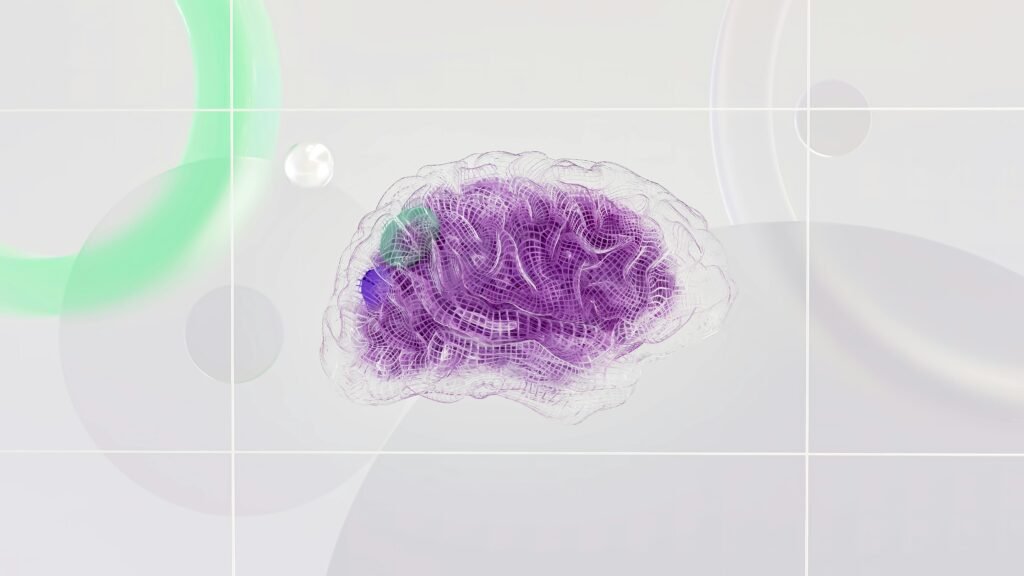

The Old Myth: A Brain Set in Stone
For much of the 20th century, the adult brain was viewed by neuroscience as a magnificent but static piece of biological hardware. It was believed that after a critical period in early childhood, the brain’s structure was largely fixed. Its pathways were set, its wiring complete.
Think of it like an old-fashioned telephone switchboard. Once the operator connected the wires, the circuits were established. If a wire was cut or a connection was lost, the signal was gone forever. This belief was deeply limiting. It suggested that recovery from brain injury was impossible and that our ingrained habits, personalities, and even our intelligence were permanent fixtures. It was a pessimistic view that left little room for growth or change in adulthood.
The New Truth: Your Brain is Like Plastic
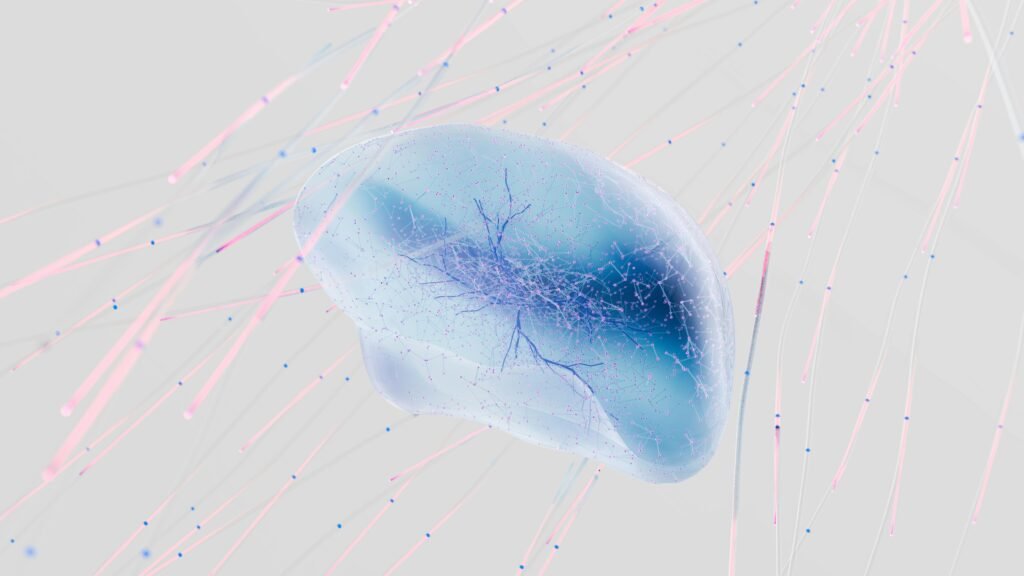
Fortunately, that old dogma has been completely overturned. We now know the brain is not a rigid machine but a dynamic, living network that is constantly adapting and reorganizing itself based on our experiences, thoughts, and actions. This remarkable ability is known as neuroplasticity.
When you hear the word “plastic,” don’t think of a credit card. Think of modeling clay or heated plastic—a material that is malleable, shapeable, and can be remolded. That is your brain. At the heart of this process is a simple but profound principle, famously summarized by neuropsychologist Donald Hebb: “Neurons that fire together, wire together.”
Every time you have a thought, practice a skill, or feel an emotion, a specific set of neurons in your brain fires in a sequence. When you repeat that thought or action, the connection between those neurons becomes stronger and more efficient. Over time, this repeated firing creates a well-worn neural pathway, much like how walking the same path across a field eventually creates a clear trail. Your habits, skills, and recurring thought patterns are all just well-established neural pathways. Neuroplasticity is the process that allows you to build new trails and let the old ones grow over.
The Two Main Types of Brain Plasticity
Scientists generally describe brain plasticity in two main forms, both of which are happening in your brain all the time.
1. Functional Plasticity
This refers to the brain’s ability to move functions from a damaged area of the brain to other, undamaged areas. It’s the brain’s incredible capacity to delegate tasks when one part of the “team” is injured. A powerful example is seen in stroke survivors. If a stroke damages the part of the brain that controls the left hand, a person can, through dedicated rehabilitation and practice, train another part of their brain to take over that function, eventually regaining movement.
2. Structural Plasticity
This refers to the brain’s ability to physically change its structure as a result of learning and experience. This isn’t just rerouting signals; it’s the actual, physical architecture of your brain changing. The most famous example of this is the study of London taxi drivers. To earn their license, they had to memorize the city’s labyrinthine map of 25,000 streets. MRI scans showed that these drivers had a significantly larger hippocampus—the brain region heavily involved in spatial memory—compared to the general population. Their brains physically grew to accommodate the demands of their training.
A Practical Guide: How to Improve Neuroplasticity and Rewire Your Brain
So, if our brain is constantly changing, how can we direct that change intentionally? Adult neuroplasticity is not a passive process; it requires specific inputs. Here are four of the most powerful ways to take the wheel.
1. Focused Attention & Novelty
The primary driver of neuroplasticity is focused attention, especially when directed at learning something new and challenging. When you intensely concentrate on a new skill, your brain releases neurochemicals that signal it’s time to make a change.
- Actionable Step: Don’t just consume information passively. Actively learn a skill that pushes you just outside your comfort zone. This could be learning a musical instrument, a new language, or a complex coding language. The struggle is the signal for growth.
2. Quality Sleep
Change doesn’t happen when you’re practicing; it solidifies when you’re sleeping. During deep sleep, your brain goes into a powerful learning and memory consolidation mode. It strengthens the new neural connections you made during the day and “prunes” or weakens the connections it deems less important.
- Actionable Step: Prioritize 7-9 hours of quality sleep per night. See sleep not as downtime, but as an essential part of the learning and rewiring process.
3. Physical Exercise
Aerobic exercise is one of the most effective ways to boost your brain’s capacity for change. When you get your heart rate up, your body produces a powerful protein called Brain-Derived Neurotrophic Factor (BDNF). You can think of BDNF as a fertilizer for your brain cells; it supports the survival of existing neurons and encourages the growth and differentiation of new neurons and synapses.
- Actionable Step: Aim for at least 30 minutes of moderate-intensity aerobic exercise (like brisk walking, running, or cycling) 3-5 times a week.
4. Mindfulness & Meditation
The act of paying attention to your own thoughts and feelings without judgment can physically change your brain. Studies have shown that regular mindfulness practice can increase the density of grey matter in the prefrontal cortex (responsible for focus and decision-making) and shrink the amygdala (the brain’s fear and stress center).
- Actionable Step: Start with just 5-10 minutes of mindfulness meditation each day. Focus on your breath and gently return your attention whenever your mind wanders. This simple act is a direct workout for your prefrontal cortex.
Conclusion
The old idea of a static, unchangeable mind is a myth. The reality is far more exciting and empowering: your brain is a dynamic, lifelong project, constantly being shaped by your choices, your focus, and your actions. You are the architect of your own mind. Understanding what is neuroplasticity gives you the blueprint. By embracing new challenges, prioritizing sleep, moving your body, and practicing mindfulness, you are actively participating in the process of self-creation. You can build new habits, unlearn old patterns, and literally change your mind.
The work of changing your mind is the most profound “ThinkersWork” there is. What is one new skill you will learn, or one habit you will build, to start rewiring your brain today?